|
|||||
|
as previously featured on the closed in 2026 insurance4carrental site __________________________________________
In addition:
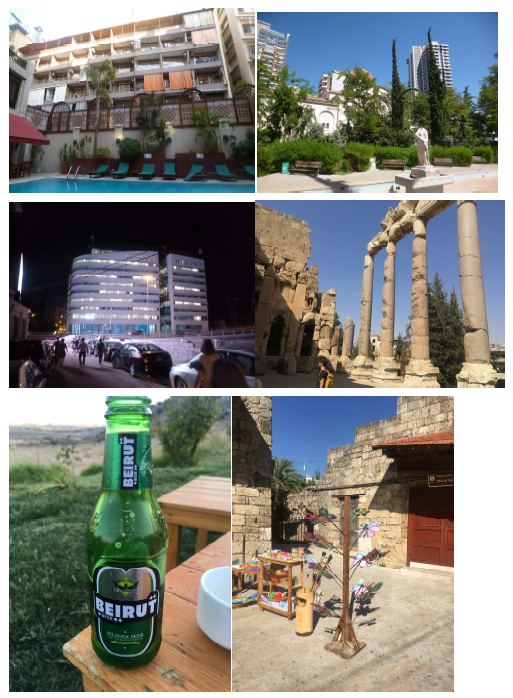
Brief information: Drive on right and overtake on left. Not everyone appears to wear seat belts as you will find from numerous taxi drivers. Mobile phones appear to be used a lot by drivers on the move. Driving in a large city like Beirut takes a lot of courage, however once outside there is less traffic and calmer although on a dual carriageway overtaking appears to happen on both sides of a vehicle. Although the main highway between Beirut and Tripoli in the north is described as a motorway with green and white signage, it is really similar to a dual carriageway in many other countries with shops, petrol stations and residence along the route that are not found by taking an exit off the road, but by pulling over to the side of the road. You will also find a lot of drivers use their hirm a great deal. There are roadblocks outside some towns, in the mountains and in certain towns manned by army and police. Pedestrians should try and use a proper crossing, particularly in a major town or city. Public transport: There are not any large public buses, only small extended mini bus types, no trains so getting around involves taking a taxi or hiring a car, or hiring a car and driver if a visitor is making a long journey. Currency: The Lebanese Pound and the US $ dollar is also used and both currencies can normally be obtained from an ATM.
|
|
||||
|
|
|
|
|||
| Cookies - Privacy Policy|Contact Us | |||||
|
|||||





 There is a great deal of detailed information
and you can access the individual guide by

 Driving in Austria
 Driving in Belgium
 Driving in Bulgaria
 Driving in Canada

 Driving in Cyprus
 Driving in The Czech Republic
 Driving in Denmark
 Driving in England

 Driving in Finland
 Driving in France and Corscia
 Driving in Germany

 Driving in Greece and the Greek Islands
 Driving in Holland
 Driving in Hungary
 Driving in Iceland
 Driving in Ireland

 Driving in Italy Sardinia and Sicily


 Driving in Luxembourg
 Driving in Malta and Gozo

 Driving in Monaco

 Driving in Northern Ireland

 Driving in Poland
 Driving in Portugal
 Driving in Scotland


 Driving in Spain The Balearrics and The Canary
Islands
 Driving in Sweden
 Driving in Switzerland

 Driving
in United Arab Emirates UAE
 Driving in The UK - England - Scotland - Wales & Northern
Ireland

 Driving in Wales